Navigating the Cancer Journey: Empowering Patients with Awareness, Support, and Treatment Options
Empowering your cancer journey begins with understanding the road ahead. The word 'cancer' alone can send shivers down the spine, often obscured by fear and uncertainty. However, facing this malignant adversary requires more than just courage; it demands awareness. Engaging in cancer awareness is not merely a task—it is the lifeline that connects patients, caregivers, and supporters alike in an intricate weave of knowledge and compassion. With approximately 1.9 million new cases of carcinoma expected in the U.S. alone this year, it is essential that we all become informed and proactive about our health. What if your participation in cancer research and educational resources could change the face of this journey?
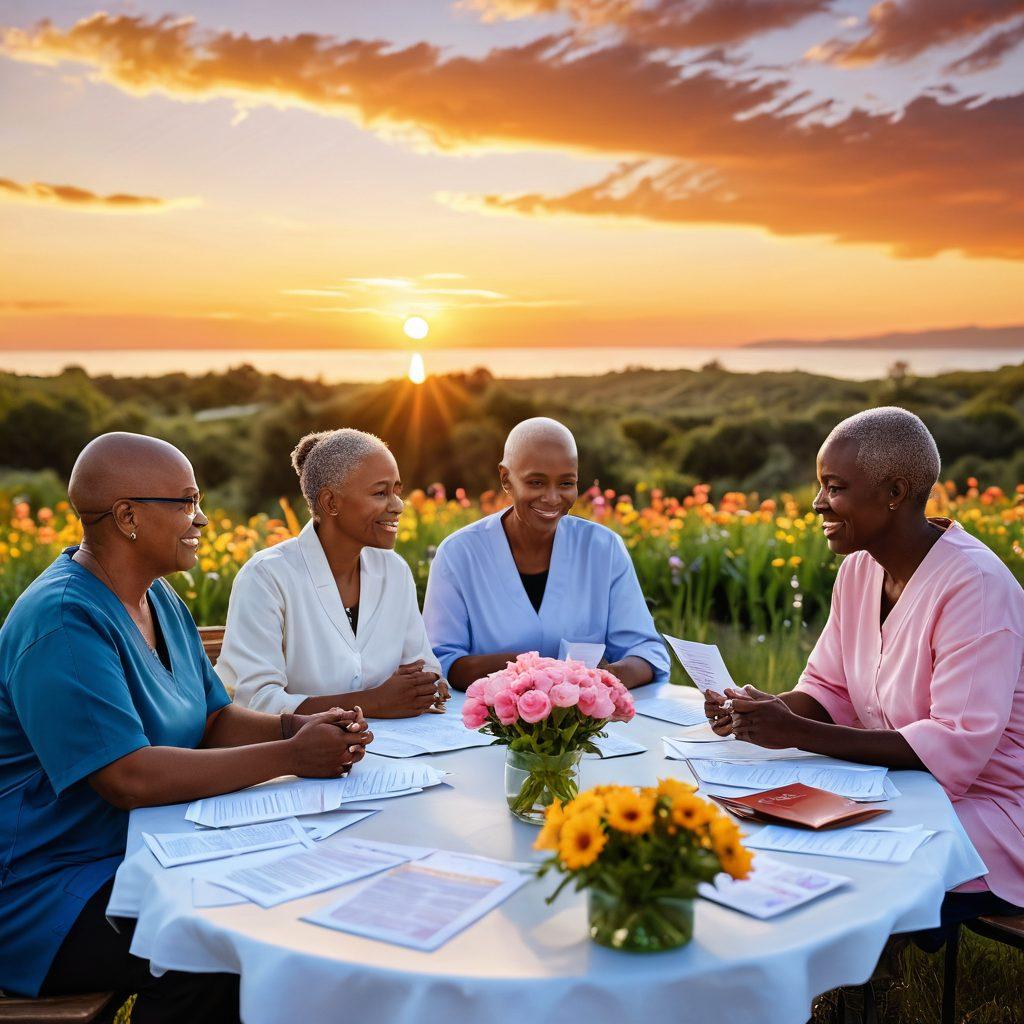
In the realm of oncology, knowledge is power. Every tumor, every neoplasm, presents unique challenges and treatment options. Patients must navigate through myriad layers of information that can feel overwhelming. That’s where support groups and patient support come into play. Imagine sitting in a circle, surrounded by others who share similar struggles and triumphs—an inspiring assembly of human resilience! Engaging in discussions with people who understand your situation offers comfort and encouragement. Aren’t you curious about how collective strength can create a new perspective on fear? You are not walking this path alone; others have trod it before you, and they hold invaluable insight.
Beyond just understanding, integrating wellness into one's life becomes vital during the cancer journey. Preventative care and nutrition for cancer patients cannot be overlooked. A healthy diet forms the foundation for energy and vitality, which is crucial during treatments like surgery or chemotherapy. What if a well-balanced meal could help enhance your overall treatment outcomes? Moreover, exploring holistic health options such as yoga, meditation, and dietary modifications can improve both mental and physical well-being. Each small step towards wellness is a huge leap towards empowerment.
Education plays a significant role, and health blogs can be treasure troves filled with essential cancer education. Platforms such as WilsonMart Wellness provide a plethora of information on clinical trials, palliative care, and survivorship. Even within challenging circumstances, patients shouldn’t feel isolated; they can access countless health information resources. Have you considered utilizing these platforms for real-time information and support? Networking through various health communities can boost motivation and share hope, leaving no room for despair.
Lastly, as patients take control of their cancer journey, they encounter an empowering realization: this journey can be a catalyst for change, not just within themselves but also in their communities. What if every story shared during support group meetings could inspire others to take charge of their health? The true essence of survivorship encompasses advocacy and the courage to share experiences. Embrace the obstacles, and transform them into strength! As you explore the depths of your journey with awareness, do not forget - you are the author of your story, and with every chapter, you have the power to reclaim hope, resilience, and a renewed outlook on life.
Exploring Treatment Options: A Comprehensive Guide for Cancer Patients
As we navigate through the challenging waters of a cancer journey, the landscape of treatment options can often feel overwhelming. Imagine standing before a choose-your-own-adventure book, but the choices involve intricate medical terms like oncology, tumor, and malignant, while the stakes are profoundly personal. This complexity makes understanding cancer treatment incredibly important, not just for the person diagnosed, but also for families and friends who walk alongside them. At its core, cancer education is a vital weapon in the fight against neoplasms and carcinomas, transforming anxiety into informed choices.
A comprehensive guide for cancer patients means breaking down the barriers of jargon and enabling patients to make empowered decisions. From traditional routes like surgery and chemotherapy to emergent options such as clinical trials, the breadth of treatment options is as varied as the individuals affected by cancer. This journey isn't just about battling a malignant growth; it's about finding a wellness strategy that resonates with one’s personal values. Have you discussed the potential impact of nutrition for cancer with your healthcare team? The power of food in healing cannot be understated, as whole foods can boost immunity and increase resilience during treatment.
In addition to understanding treatment options, it's essential for patients and caregivers to explore the emotional landscape of dealing with a diagnosis. Support groups and patient support systems play a crucial role in the mental well-being of individuals facing a cancer diagnosis. The camaraderie found in a collective struggle can help alleviate isolation, offering a sense of solidarity. Have you ever felt that lifting burden of sharing your story with someone who truly understands? The Wilsomart community thrives on accountability and shared experience, creating an inviting environment where voices can be heard and hope can flourish.
Palliative care emerges not as a last resort but as a critical strategy during and after treatment. It's about improving quality of life, managing symptoms, and providing a safety net as patients undergo their cancer journeys. Too often, the term ‘palliative’ is misunderstood, yet it holds the promise of compassion and holistic health. As we delve deeper into cancer research, it becomes clear that survivorship doesn’t mean just enduring; it entails thriving. How do we redefine survival in a society aiming for longevity?
Ultimately, each cancer journey is distinct, colored by individual experiences and choices. Awareness about treatment options ranges from preventative care to integrative therapies. This lifestyle blog invites you on a path where empowerment is intertwined with knowledge, and where patients can become advocates for their health. Let’s ask ourselves: how can we further contribute to our healing journey, armed with the right health information, to ensure not just recovery but a life filled with well-being and purpose?
Navigating through Tumors: Insights into Oncology and Survivorship Strategies
When faced with a cancer diagnosis, the term 'tumor' often looms large in discussions with oncologists and health professionals. Tumors can be classified as benign or malignant, but the fear of the unknown, particularly with malignant tumors such as carcinoma or neoplasm, often takes center stage in these conversations. It's in this whirlwind of fear and confusion that awareness becomes a lifeline. Cancer awareness is not just about understanding a diagnosis; it's also about educating oneself on the available treatment options, from surgeries to clinical trials. By demystifying the journey through oncology, we empower ourselves and those around us to approach cancer with resilience and knowledge.
What if I told you that one of the most powerful tools we possess during our cancer journey is education? Many patients find themselves unprepared for the complexities of navigating treatment options and the emotional landscape that comes with the diagnosis. Exploring cancer education can be incredibly beneficial—there's a wealth of information out there, from reputable health blogs to wellness communities like Wilsomart Health. By tapping into resources that highlight preventative care and nutritional strategies tailored for cancer patients, individuals can feel more in control of their health and well-being. Remember the words of American author Maya Angelou, 'Nothing will work unless you do.' Taking charge of your education is a vital step in this journey.
As we delve deeper into the world of oncological care, we uncover a myriad of support options available. Whether you’re facing the challenges of surgery or seeking palliative care, support groups can be a tremendous asset. These communities often offer a sanctuary where experiences are shared, strategies are discussed, and emotional burdens are lightened. It's crucial to understand that you are not alone in this battle. The transformative power of connection can't be overstated; sometimes just knowing that others are experiencing similar feelings and challenges can provide hope and encouragement. Have you considered joining a local or online support group?
Survivorship isn't simply a buzzword; it is a positive affirmation of the strength residing within each patient. The cancer journey is filled with ups and downs—if you imagine it as a roller coaster, you'll realize that it requires both courage and tenacity. Survivorship strategies can vary greatly from one individual to another—but focusing on holistic health can pave the way for a healthier future. Integrating wellness through lifestyle changes, mindfulness, and nutrition for cancer can prove to be key components in prolonging a healthy life post-diagnosis. The question is, what small changes can you implement today that could yield big results tomorrow?
In this age of advancements in cancer research and treatment options, it’s crucial to keep abreast of the latest findings. By engaging with medical blogs, community discussions, and expert insights, patients can gain a clearer understanding of their cancer journey. Whether you're exploring new therapies in clinical trials or considering a holistic approach to recovery, knowledge is power. Embracing a mindset of continuous learning ensures that you can advocate not only for your needs but also for the needs of your loved ones. Remember, every question asked is a step towards understanding—and understanding is where empowerment begins. How will you navigate your cancer journey with newfound awareness?